

Cherry Tree Varieties for New Zealand Home Gardeners: Your Complete Guide
There's nothing quite like the sweet reward of picking sun-warmed cherries from your own tree on a warm summer December morning. As a quintessential Christmas treat, sweet cherry varieties have a concentrated harvest season between December and January, making them special seasonal fruit trees for New Zealand home orchards. But with numerous varieties available, how do you choose the right cherry tree for your garden?
Understanding Cherry Types: Sweet vs Sour
Cherry varieties fall into two main categories, each serving different purposes in the home garden:
Sweet Cherries (Prunus avium) are perfect for fresh eating straight from the tree. Popular varieties include Stella, Lapins, Sweetheart, Bing, Kordia, and Burlatt, with most producing their harvest during the peak summer months.
Sour Cherries (Prunus cerasus) are typically used for cooking, preserving, and making traditional products like Kirsch. Examples include Griotella™ (Dwarf)(Sour), which produces bright red fruit in summer. A Morello tart type used for Kirsch, tarts and preserves. A smaller stature tree growing to about 2m tall, and Montmorency (Sour), which is one of the most popular and widely grown sour cherries in the USA, these cherries are great for cherry pie and juice.
Why Choose One Variety Over Another?
1. Pollination Requirements: The Self-Fertile Advantage
Most sweet cherry varieties require cross-pollination with another variety, unlike their sour cherry cousins. However, self-fertile cherry varieties like 'Stella' and 'Lapins' can produce fruit without pollinators. For home gardeners with limited space, self-fertile varieties are game-changers:
Stella: Stella was the first true self-fertile sweet cherry. Well known for being a heavy and consistent bearer produceing large sweet, dark red fruit it also happens to be a great pollinator for other cherry varieties
Stella (Compact): Dwarfing version of one of the best known Sweet Cherries. A consistent and prolific bearer of large dark red fruit. Self-fertile
Lapins: A common variety for the commercial industry, Lapins produces large dark red fruit with firm juicy flesh. A better suited cherry for warmer areas of New Zealand, ripening Mid-late season. Lapins is self-fertile
Sweetheart: Sweetheart is late ripening cherry, and produces large crisp, sweet, red cherries. It is a self-fertile variety
2. Climate Compatibility
Cherry trees are premium fruit tree varieties that thrive in New Zealand's cooler regions, requiring cold winters and hot, dry summers. These fruit trees are best suited to Hawke's Bay, parts of Waikato, Wairarapa, Nelson, Blenheim, Canterbury and Central Otago.
Most varieties show climate hardiness zones of 8a, 8b, and 9a, making them suitable for most temperate New Zealand regions. However, Lapins extends to zone 9b, confirming it as the optimal choice for warmer New Zealand areas with fewer winter frosts.
3. Space Considerations
Garden size significantly influences variety choice:
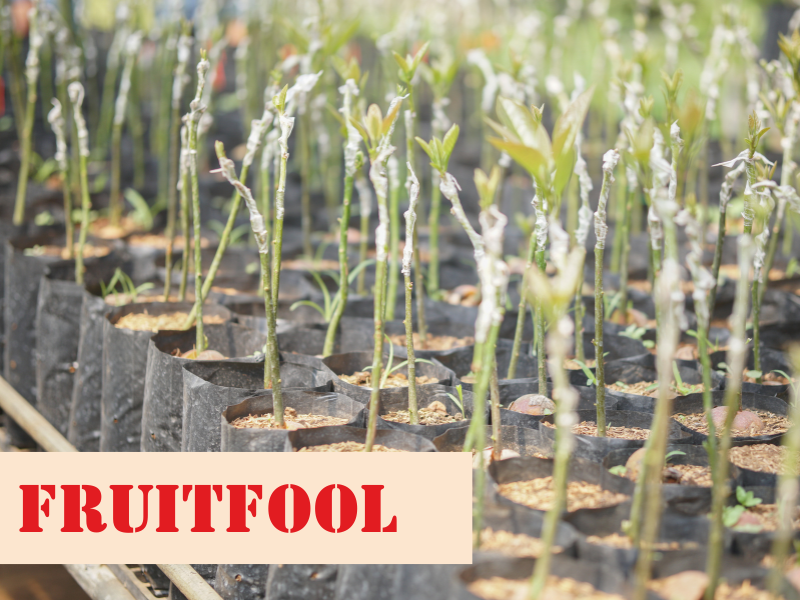
Standard Trees: Most cherry varieties grown in New Zealand are grafted onto 'Colt' rootstock, which performs excellently in difficult soils and provides vigorous, hardy growth for home orchards
Dwarf Options: For gardeners wanting more compact fruit trees (up to 3m height), cherry trees with an 'Edabriz' interstem between the rootstock and chosen variety offer an ideal dwarf solution for smaller edible gardens
Ultra-Compact: Griotella™ at only 2m tall and Stella (Compact) are perfect for small spaces or container growing
Harvest Times: Extending Your Cherry Season
Understanding when different varieties ripen allows you to extend your harvest window:
Early Season (Late November - Early December)
Burlatt: The first cherry of the season to ripen is late Nov, early Dec the Burlatt is a high quality sweet Cherry. Large heart shaped fruit with juicy soft sweet dark red flesh
Mid-Season (December)
Late Season (January - February)
Kordia: Kordia is a mid-season cherry, ripening around mid January. The cherries are firm and dark-fleshed. Dark fleshed cherry, firm and are considered to have a great taste
Staccato: Staccato is late season variety, ripening in late January - early February. It produces large, crunchy cherries that are dark red with sweet dark flesh. It is known for having a small pit
Sweetheart: Late ripening cherry with harvest Months: Jan, Feb
Sour Cherry Season
Griotella™: Harvest Months: Dec, Jan
English Morello: Harvest Months: Dec, Jan
Montmorency: Ripening between Christmas and New Years
Double-grafted cherry trees provide an excellent space-saving solution, featuring two cross-pollinating varieties on one tree that typically ripen at different times, extending your harvest season over several weeks.
Pollination Considerations
While self-fertile varieties can fruit alone, some varieties require specific pollinators:
All sour cherries listed (Griotella™, English Morello, Montmorency) are self-fertile.
Chilling Requirements
Some varieties have specific chilling hour requirements:
Stella: fruit requires 700 chilling hours to set
Rainier: Requires 700 chilling hours to set fruit
Montmorency: they require 700 chilling hours for fruit set
Taste Profiles: Finding Your Perfect Flavor
Sweet Varieties
Stella: large sweet, dark red fruit - the classic self-fertile choice
Lapins: large dark red fruit with firm juicy flesh - excellent for warmer climates
Sweetheart: large crisp, sweet, red cherries - perfect late-season variety
Bing: very dark, red, sweet fruit - traditional favorite requiring pollinators
Burlatt: Large heart shaped fruit with juicy soft sweet dark red flesh - earliest harvest
Rainier: super sweet, large, white/yellow fruit with red blush - unique coloring and exceptional sweetness
Kordia: firm and dark-fleshed...considered to have a great taste - excellent flavor reputation
Staccato: large, crunchy cherries that are dark red with sweet dark flesh. It is known for having a small pit - great texture and easy eating
Sour/Tart Varieties
Griotella™: A Morello tart type used for Kirsch, tarts and preserves
English Morello: producing very sour, red cherries
Montmorency: great for cherry pie and juice. They are an Amorelle-type cherry with bright red skin and clear juice from their white flesh
Disease Resistance and Challenges
Cherry trees can be challenging fruit trees for New Zealand growers, being susceptible to diseases including silver leaf, bacterial blast, brown rot, and root rot, plus pests such as black aphids. These disease challenges are inherent to their preferred climate conditions but become more difficult in warmer, high-humidity environments.
The primary challenge for cherry varieties in home orchards is protecting fruit from birds and possums - successful cherry growing typically requires constructing enclosures or netting systems to preserve your harvest.
Best Varieties for Home Gardeners
Based on the fruitfool.co.nz varieties, here are the top recommendations for New Zealand home gardeners:
Best Overall for Beginners: Stella
Stella was the first true self-fertile sweet cherry. Well known for being a heavy and consistent bearer
No pollinator needed
Mid-season harvest
also happens to be a great pollinator for other cherry varieties
Best for Warm Climates: Lapins
A better suited cherry for warmer areas of New Zealand
Self-fertile
Extended climate zones (8b,9a,9b)
large dark red fruit with firm juicy flesh
Best for Small Gardens: Stella (Compact) or Griotella™
Stella (Compact): Dwarfing version of one of the best known Sweet Cherries
Griotella™: A smaller stature tree growing to about 2m tall
Best for Extended Harvest: Sweetheart
late ripening cherry (Jan-Feb)
Self-fertile
large crisp, sweet, red cherries
Best Early Harvest: Burlatt
The first cherry of the season to ripen is late Nov, early Dec
high quality sweet Cherry
Most Unique Flavor: Rainier
super sweet, large, white/yellow fruit with red blush
usually a good Christmas cherry
Best Flavor Experience: Kordia
considered to have a great taste
firm and dark-fleshed
Mid-January harvest
Best Late Season: Staccato
late season variety, ripening in late January - early February
large, crunchy cherries...known for having a small pit
Growing Success Tips
Growing cherry trees successfully requires very well-drained, fertile soil and at least eight hours of daily sunlight. When planning your edible garden layout, avoid planting cherry trees in areas that remain shaded for most of the day. These fruit tree varieties can be vulnerable to late frosts during blossom time and to rain or hail as fruit reaches maturity, which can cause fruit splitting.
Key considerations:
Location: Choose a sunny, sheltered spot with excellent drainage
Protection: Construct bird and possum-proof enclosures or netting systems
Rootstock: Most cherry varieties grown in New Zealand are grafted onto 'Colt' rootstock, which performs excellently in difficult soils and provides vigorous, hardy growth for home orchards
Conclusion
Choosing the right cherry variety depends on your specific circumstances: garden size, climate zone, taste preferences, and intended use. For most New Zealand home gardeners, self-fertile varieties like Stella or Lapins offer the best chance of success, while those with limited space should consider compact options like Stella (Compact) or Griotella™.
Beyond their delicious fruit, cherry varieties offer potential health benefits - research suggests cherries may help lower gout attack risks and possess natural sleeping aid properties.
Remember, cherry growing requires patience and commitment, but the reward of homegrown cherries at Christmas time makes it worthwhile. With proper variety selection and care, your cherry tree can provide decades of delicious harvests and become a treasured centerpiece of your edible garden.
For detailed variety selection tools and more specific growing advice for your region, visit our cherry page.

Comments